
Ontario faces extreme winters, which can be really hard on homes, especially the roofs. Snow, ice, melting, and again freezing can gradually damage the roofing materials. Every homeowner should have an idea on how Ontario winters affect asphalt shingle roofs so they can take the precautionary measures and avoid costly repairing or installing of the roof.
Why Winter is Hard on Roofs
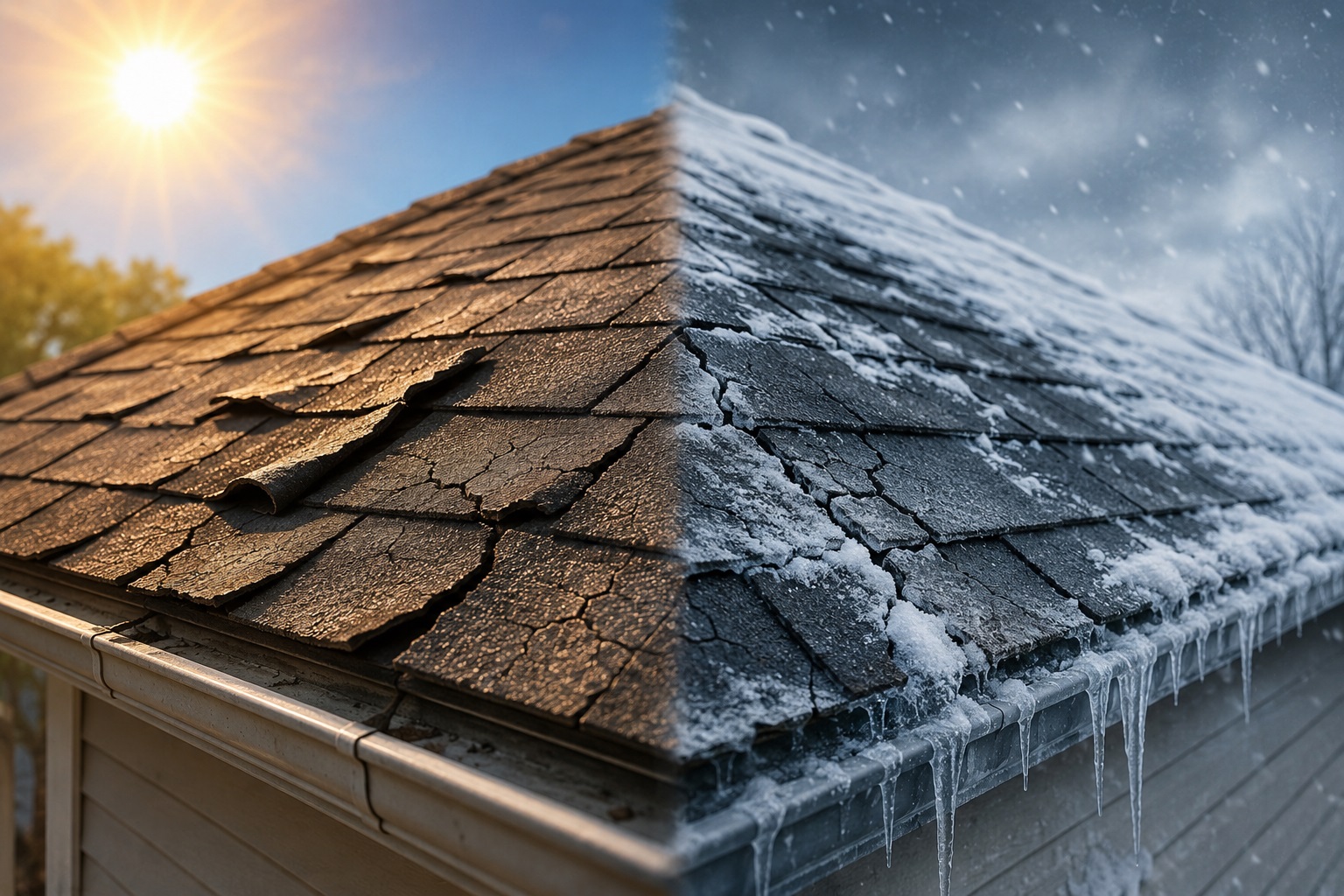
Asphalt shingles are designed to handle normal temperatures. But when the weather becomes extremely cold, shingles become stiff. Due to this stiffness, they crack or lift away because of heavy winds and snow.
Ontario has many freeze and thaw changes during the winters. Due to this thawing and freezing, water gets in small gaps in the roof and then again freezes and expands. The repeated cycles can cause freeze-thaw roof damage. Even the small openings can cause huge problems if not repaired on time.
Snow, Ice, and roof pressure
A big problem of winter roof damage in Ontario is caused by snow sitting on the roof for a long period of time. The snow might seem softer, but it adds extra weight to the roof and builds up stress on the shingles, flashings, and gutters. Wet snow is much heavier and can create worse problems.
Ice dams on roof areas are another common cause. Ice dams are formed when the heat from inside the home melts snow on the upper part of the roof, and then the melted water freezes again near the colder eaves.
Shingle Cracking and Surface Wear
Just simple cold weather can also lead to cracked roof shingles. Shingles become brittle in winter. So wind, ice, or even a little movement can crack them. Older roofs are more vulnerable, but new roofs can also encounter such problems if they are poorly installed.
Due to these reasons, asphalt shingles in winter require extra care. The roof might look perfect from the outside, but such harsh weather conditions can expose hidden problems such as curled edges, missing granules, and lifted shingles.
Moisture Damage Under the Surface
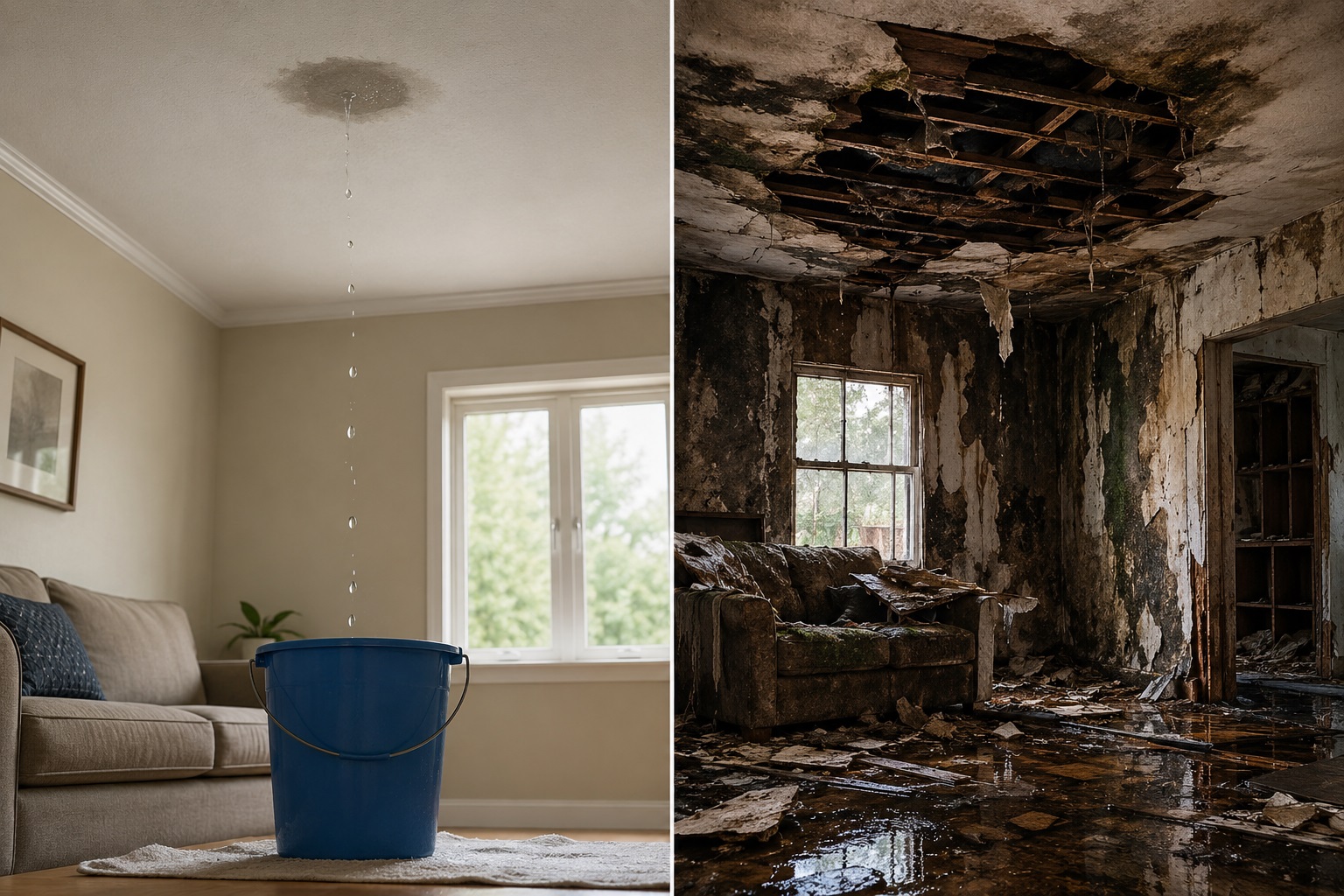
Moisture getting inside the roof structure is one of the biggest problems. When snow melts and water enters into the shingles, it can stay hidden for a while. Over time, this moisture can lead to the damage of wood sheathing, insulation, and the ceiling inside the home.
Snow damage to roof areas should never be ignored even if a leak seems small at first. A tiny leak can cause larger repair problems once the time passes. Mold and mildew can also be formed if the moisture stays trapped for too long.
Signs Homeowners Should Look for
- Water stains on ceiling
- Damp attic insulation
- Loose or damaged shingles
- Granules in gutters
- Ice buildup near the roof
- Peeling paint or sagging area on roof can also point to water damage
These are the most common winter roofing problems, which should not be neglected by homeowners.
Why Maintenance Matters
Regular roof maintenance in Ontario can make a huge difference in the lifespan of the roof. Cleaning gutters can help the melted snow drain properly, lowering the chances of ice dams. Good attic insulation and ventilation keep the roof temperature more even. Snow is less likely to melt and freeze around the eaves if the roof stays colder and more balanced.
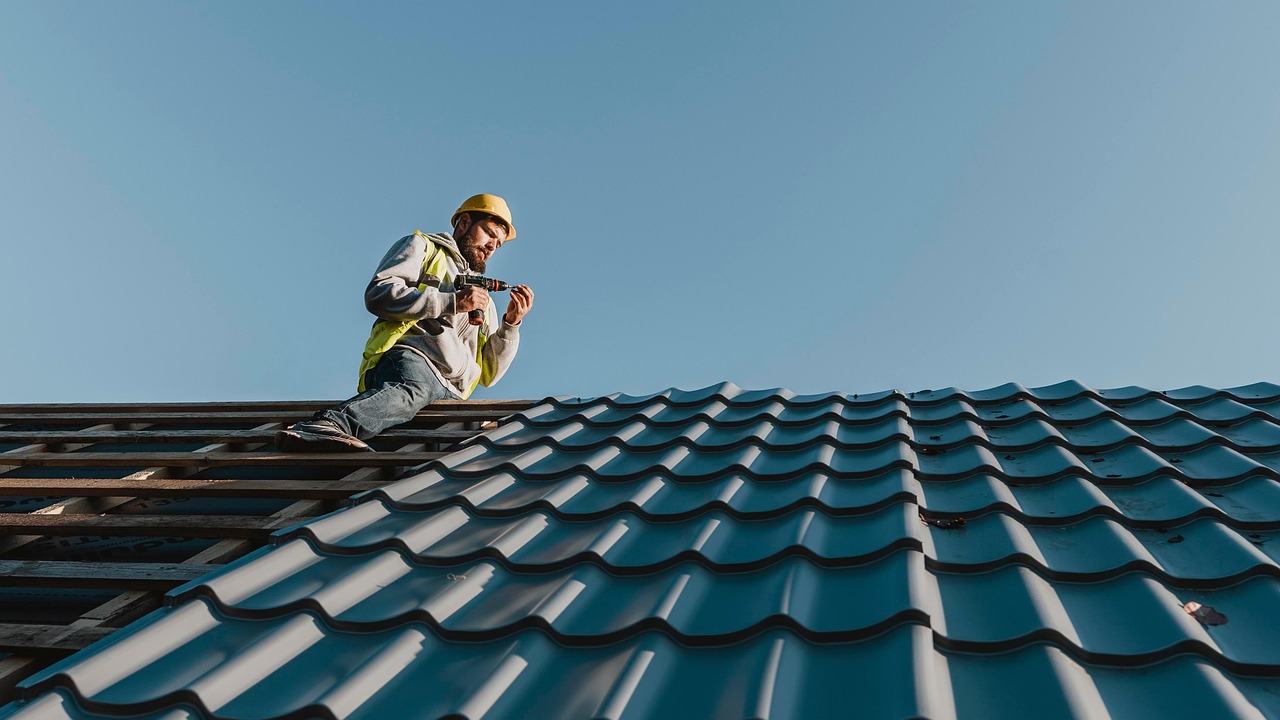
Homeowners are advised to call a professional for roof inspection in Richmond Hill after winter. Once the snowy season goes away, a roof inspection can expose broken shingles, loose flashings, and water damage. Spotting these issues early means cheaper and easy repairs.