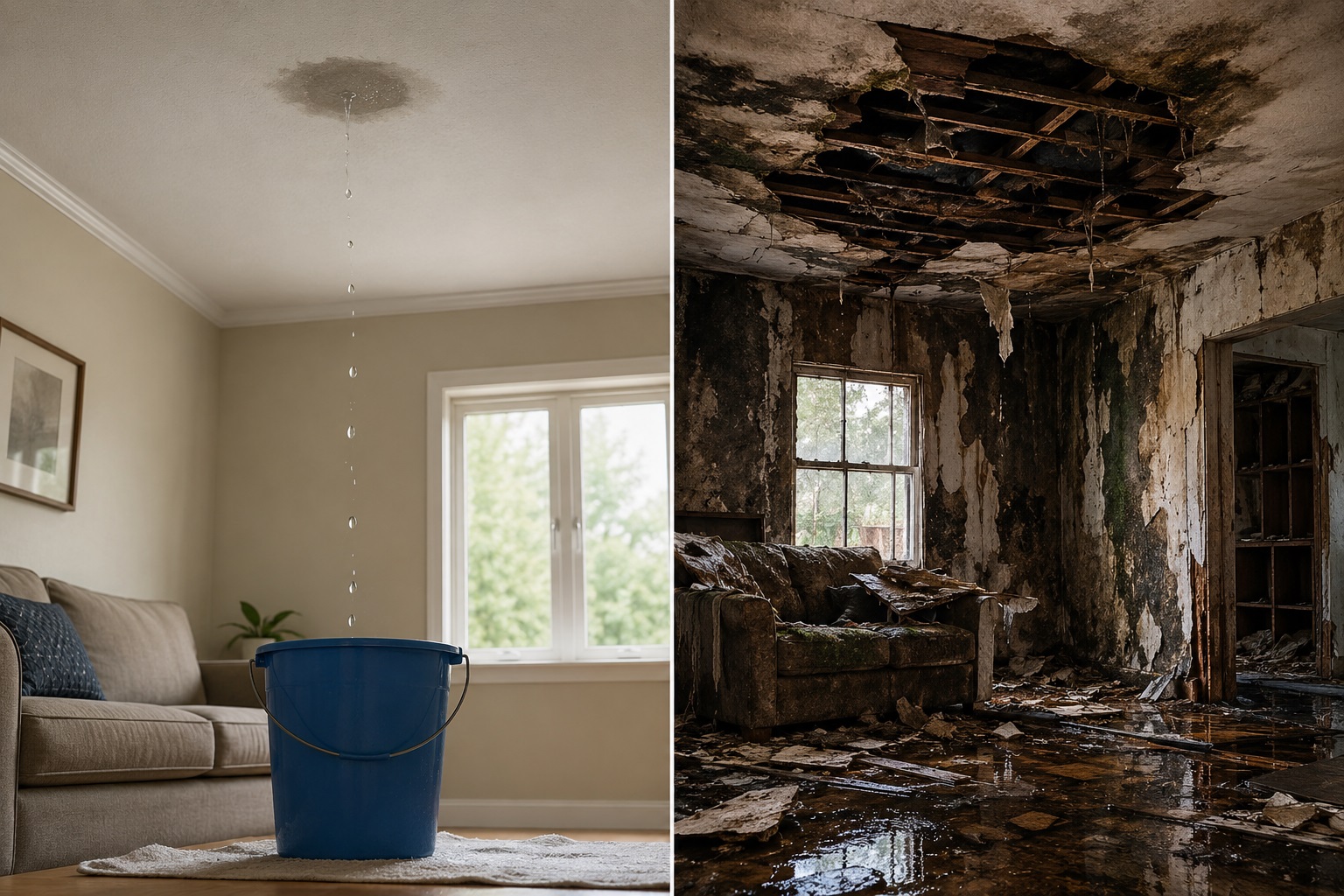

Residential roofs face serious changes as a result of freezing and extreme hot weather. As the roofing materials shrink and expand with changes in weather, the house owners never realize that extreme-temperature roof damage is developed gradually. Such repetitive movements make the structure of the roof weaker, bring costly repairs, and raise the risk of cracks and leaks. You must have full knowledge of how extreme temperature changes affect roofing materials. It is possible through proper preventive measures.
Roof Contraction and Expansion
Thermal movement is the cause of roof deterioration over time. The roofing materials absorb more absorption of heat during hot weather and result in expansion. And it contracts in the cool weather. This describes the answer of why roofs expand and contract the entire year. You’ll see the material quite vulnerable to separation and cracking as they lose flexibility with age.
Condition of Roofs after Cold and Hot Weather
The roofing material and climate actually decide effects of hot and cold weather. However, the common problems are based on:
- Adhesives and sealants deterioration
- Leakage of roofs caused by gaps through roofing material
- Loosening fasteners and nails
- Damaged flashing around vents and chimneys
- Warped panels of roofing
- Brittle or cracked shingles
The asphalt shingles turn softer through extreme heat. This also increase the age of shingles. The roof’s ability to protect home reduces with these combined weather conditions.
Common Indications of Roof Damage through Temperature
Finding the signs of temperature-related roof damage earlier would prevent small issues from becoming costlier repairs.
- Water stains on ceilings or attic walls
- Sagging roof sections
- Granule loss from asphalt shingles
- Higher energy bills caused by reduced insulation performance
- Curling, buckling, or missing shingles
- Visible cracks in roofing materials
- Loose or lifted flashing
The best idea for scheduling pro roof inspection is to do it right before the extreme weather begins. Keep the in-depth knowledge of changes in the roof due to the weather. This will be more feasible to hire the right help and services for desired professional assistance. Roof is considered as a highly valuable part of the house. You can’t even imagine any serious damages that can also cause life-threatening problems for the residents. So be aware of everything in advance.
How do multiple roofing materials respond differently?
The asphalt shingles are economical. It turns softer in hot weather while brittle in cold weather.
Metal roofing contracts and expands. These are ideal for thermal movement. The damage can be prevented through proper installation.
Concrete and clay tiles are ideal for the warm weather. However, the cracks are caused in quite colder climates.
Something that handles temperature changes in the best way than many materials and is considered durable is called slate roofing.
Always pick the best roofing materials for extreme climates whenever you go for a roof replacement.
Roof Damage Prevention from Temperature Fluctuations
The only solution is regular roof maintenance for preventing roof damage from temperature fluctuations. Here are some useful maintenance practices.
- Ensure proper attic ventilation to regulate roof temperature.
- Repair damaged flashing before leaks develop.
- Remove debris that traps moisture on the roof surface.
- Schedule annual professional roof inspections.
- Replace damaged shingles promptly.
- Keep gutters clean to prevent water buildup.
The roofing materials bear contraction and expansion with the extension of overall lifespan of roof through regular maintenance.
Final Words
Everyone needs to learn how extreme temperature changes affect roofing materials for guarding the highly worthy asset of your home. In case of not addressing roof aging, the continuous contraction and expansion as a result of seasonal weather can create premature roof aging, flashing failure, loose shingles and cracks.
The major signs of temperature-related roof damage must be addressed earlier. Figuring out the right problem at the right time is always required for prevention. The severity of weather shouldn’t be taken lightly. Therefore, try to contact the experts before the arrival of either extreme winter or summer to get it checked thoroughly.