
When a homeowner thinks of damage to their roof, the first thing to come to mind is usually damage to the shingles. After all, shingles are the most exposed part of a roofing system, always in the elements. But many roof leaks start long before the shingles are at the end of their life cycle. In fact, roof flashing will often fail years before the shingles around it begin to show significant signs of wear.
This is especially the case in Ontario where roofs are subject to freezing winters, heavy snowfalls, spring rainstorms, humid summers and strong seasonal winds. Understanding why flashing wears out faster than shingles can allow homeowners to identify possible issues and prevent costly water damage.
What’s Roof Flashing?
Roof flashing is a thin material, usually metal, used to channel water away from vulnerable points in a roof. Flashing protects joints, edges and transitions where water is most likely to get past. The shingles protect the large areas of the roof surface.
Generally flashing is installed around chimneys, skylights, plumbing vents, roof valleys, dormers and roof-to-wall intersections. These areas have a higher concentration and movement of water, making them more susceptible to leaks.
Aluminum, galvanized steel, copper, and lead are common materials for flashing. Some materials are more durable than others. All flashing components are under more stress than the shingles around them.
Why Flashing Often Fails Before Shingles
Water exposure concentrated
Flashing, on the other hand, is designed to work with water in specific areas where runoff naturally collects, not just over a large surface area like shingles. Roof valleys, chimneys, and skylights often direct large quantities of rainwater and melting snow directly onto flashing components.
Flashing materials and sealants tend to wear out faster than the shingles around them, because these areas are continuously exposed to moisture.
Freeze and Thaw Cycles in Ontario
One of the biggest challenges for roofing systems in Ontario is the frequent cycle of freezing and thawing temperatures . Water can enter small spaces around flashing, especially in winter. When the temperature drops, the trapped water freezes and expands. The temperature rises and the ice melts. The cycle continues.
This constant expansion and contraction over time can loosen fasteners, crack sealants and create openings for water to get into the roof system.
Heavy Snow & Ice Dams
Ontario winters frequently bring significant snow accumulations. Ice dams can form when snow that melts on the warm parts of the roof refreezes near the cold edges.
Ice dams prevent proper drainage, causing water to back up under the roofing materials. Flashing near roof edges, valleys and penetrations may experience standing water for extended periods of time which increases the potential for leaks and premature failure.
UV Exposure & Sealant Failure
Roofing sealants or caulking are often used to install many flashing systems to provide watertight connections. These materials work well when new, but after prolonged exposure to ultraviolet rays, they gradually dry out, crack and lose flexibility.
The south-facing sections of the roof tend to receive the most sunlight, and they can also be more prone to faster sealant degradation than other parts of the roof.
Wind stress
“Ontario can have seasonal storms that can cause strong winds that can put a lot of pressure on flashing components. Also, wind-driven rain can drive moisture into small openings that would otherwise remain dry.
Repeated wind exposure can loosen flashing edges, separate seams, and lift improperly installed sections, providing an easy path for water entry.
Rust and Corrosion
Flashing materials today are designed to be corrosion resistant, but the effects can be seen after extended exposure to moisture. Galvanized steel flashings can rust if the protective coatings are damaged. Severe environmental conditions over many years can cause even aluminum flashing to deteriorate.
Airborne pollutants and road salt in urban areas can speed up corrosion, shortening the life of some flashing materials.
Common Mistakes in Installation That Cause Flashing Failure
Some flashing failures are not weather related. Installation errors are in many cases a major reason for premature deterioration.
If the flashing sections are not overlapped correctly, water can get underneath the roofing materials. Sealants may age and expose nail heads that can become leak points. Poor quality materials may not survive years of thermal movement and weathering. Also, flashing that is not correctly installed with underlayment and shingles may fail much sooner than expected.
A new roof can leak if the flashing was not installed properly when the roof was built or reroofed.
Warning Signs Your Roof Flashing Is Failing
Early detection can help prevent extensive water damage and costly repairs.
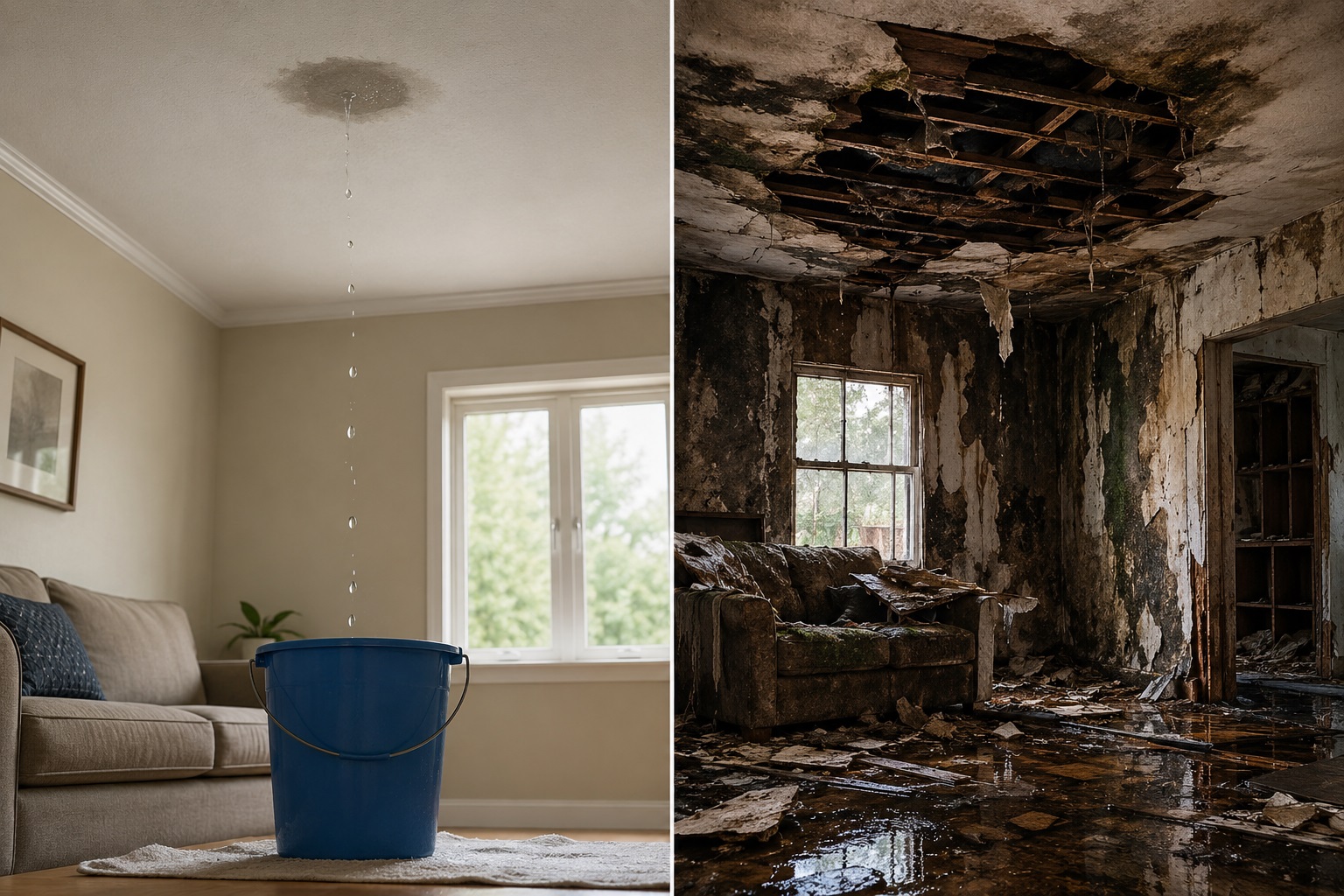
Inside the home, warning signs can include water stains on the ceilings, damp insulation in the attic, peeling paint, or the presence of mold and mildew.
Homeowners should watch for rusted flashing, cracked sealants, bent metal sections, missing pieces or visible gaps around roof penetrations. Water stains on chimneys and skylights may indicate flashing problems.
Most flashing problems are hard to detect from the ground so professional inspections are often the safest and most effective option.
How Ontario Weather Speed Up Flashing Problems
Each season brings its own issues with roof flashing.
With winter comes cycles of freezing and thawing, snow accumulation and ice damming. Spring rains are often heavy and can expose vulnerabilities in aging flashing systems. The metal components expand due to summer heat and the sealant deteriorates more quickly due to UV radiation. During the fall, debris like leaves can build up around roof penetrations and valleys and hold moisture against the flashing materials.
The continuous change from one weather condition to another throughout the year causes a lot of stress on roofing parts.
Does Flashings can be repaired without replacing the roof?
In many cases, the flashing can be fixed on its own, away from the shingles.
Often small issues such as small gaps, cracked sealant or slightly loose flashing sections can be repaired with targeted repairs. By addressing these issues quickly, you can avoid more extensive water damage.
However, if there is extensive corrosion, structural damage, improper installation or recurring leaks, flashing replacement may be required. In some cases, you’ll have to remove some of the surrounding roofing material to properly replace damaged flashing.
How to Make Your Roof Flashing Last Longer
Proper maintenance is an important factor in increasing the life of flashing systems.
Annual roof inspections can help to identify developing problems before they turn into major problems. Debris should be removed from valleys and roof penetrations to help prevent moisture build-up. By fixing the insulation and ventilation problems in the attic, you can reduce the chances of ice dams forming in the winter.
Homeowners also should repair small flashing damage right away, rather than waiting until they can see leaks. High quality flashing materials can be an investment that pays off in the long run when replacing a roof and can improve the overall performance of the roof.
Why Professional Roof Inspections Are Important
Many flashing failures are progressive and go unnoticed until water damage is visible in the home. At that point, repairs could be more extensive and expensive.
Roofing professionals can detect early signs of flashing wear, assess vulnerable spots and recommend preventative maintenance to prevent leaks through professional roof inspections. In Ontario, winter pre-season and post-season inspections can be especially helpful because of the stress caused by snow, ice and freeze-thaw conditions.
Summary
While shingles tend to get most of the attention, roof flashing is often the first line of defense against water intrusion. Often flashing is the first to degrade because of exposure to concentrated water flow, movement due to temperature changes, UV radiation, wind and the harsh weather conditions of Ontario, often before the surrounding shingles.
Proper installation, regular inspections and timely repairs can go a long way in extending the life of flashing and helping homeowners avoid costly roof leaks. Monitoring these critical elements can extend the life of the roof and the home that it covers for years to come.