
Understanding the Importance of a Sound Roof
A sound roof is a crucial component of any home, serving as the primary barrier against environmental elements such as rain, snow, wind, and sunlight. It protects the structure itself as well as the contents within, ensuring the safety and comfort of the occupants. The roofing system typically comprises several elements, including shingles, underlayment, flashing, gutters, and ventilation systems, all of which work together to maintain the integrity of the shelter.
Roofs can be subjected to various forms of damage over time due to factors such as weather conditions, aging materials, and improper installation. Damage or leaks may not always be immediately apparent, but they can lead to significant consequences if left unaddressed. This could manifest as water damage, mold growth, and structural decay, which can ultimately compromise the overall stability of the home. As such, timely roof maintenance and repairs are vital to preventing minor issues from escalating into major problems that necessitate extensive repairs or even a complete roof replacement.
Several indicators suggest that your roof may require attention. These signs include missing shingles, granules accumulating in gutters, visible water stains on ceilings, and peeling paint on exterior walls. Homeowners may also notice increased energy costs, which can be attributed to inadequate insulation due to roofing issues. Regular inspections, particularly after severe weather events, can help in identifying these problems early on. Understanding these elements will aid homeowners in making informed decisions regarding their roofing needs, whether it be waterproofing or opting for a full replacement.
Waterproofing Your Roof: When and How?
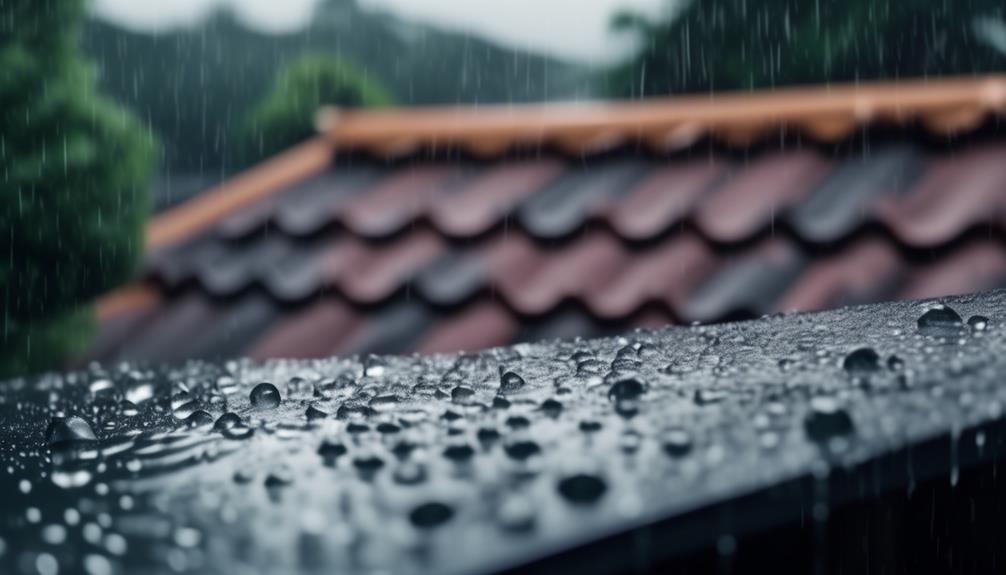
Waterproofing your roof is a crucial maintenance procedure that prevents leaks and protects the underlying structure from the elements. The waterproofing process typically involves the application of various materials designed to create a barrier against water infiltration. This can include sealants, coatings, or membranes, each offering unique advantages tailored to specific roofing conditions.
It is advisable to consider waterproofing when you notice minor leaks, signs of wear, or age-related deterioration of your roofing materials. Small cracks or missing shingles may seem insignificant; however, addressing these issues promptly through waterproofing can avert more extensive damage and costly repairs in the future. In cases where a roof is structurally sound but exhibits minor surface damage, waterproofing serves as a proactive measure, prolonging the life of the roof.
Many techniques are available for waterproofing roofs, all designed to cater to the specific needs and conditions of the roofing system. For instance, liquid sealants are often applied to areas prone to leaks, creating a seamless watertight barrier. Alternatively, roof coatings, which are typically elastomeric or acrylic, can be used over larger surface areas to provide extensive protection against UV rays and moisture. It is essential to choose the right technique based on your roof type and the specific issues you are encountering.
Practical tips for choosing the right waterproofing procedure include consulting a professional roofing contractor, like Silverhill Roofing, who can assess your roof’s condition accurately. They will help to identify the best materials and methods suited for your roofing system, ensuring a comprehensive approach to waterproofing. Through regular maintenance and timely waterproofing interventions, homeowners can safeguard their roofs against water damage effectively.
Signs It’s Time to Replace Your Roof
Determining whether to waterproof or replace your roof can be a challenging decision for homeowners. Recognizing the signs that indicate a need for a roof replacement is essential for maintaining the structural integrity of your home. One major indicator is significant aging. Most roofing materials have a lifespan, which varies depending on the type used. Asphalt shingles typically last around 20 to 25 years, while metal roofs can last 40 to 70 years. If your roof is approaching or has surpassed its typical lifespan, a replacement is likely advisable.
Another critical sign to consider is structural damage. This can manifest as sagging or drooping roofs, which may suggest underlying issues affecting the roof’s support system. Additionally, extensive leaks, evident through water stains on ceilings or walls, may indicate that repairs won’t suffice. When leaks become recurrent, it often signifies that the roof material has deteriorated beyond simple waterproofing measures.
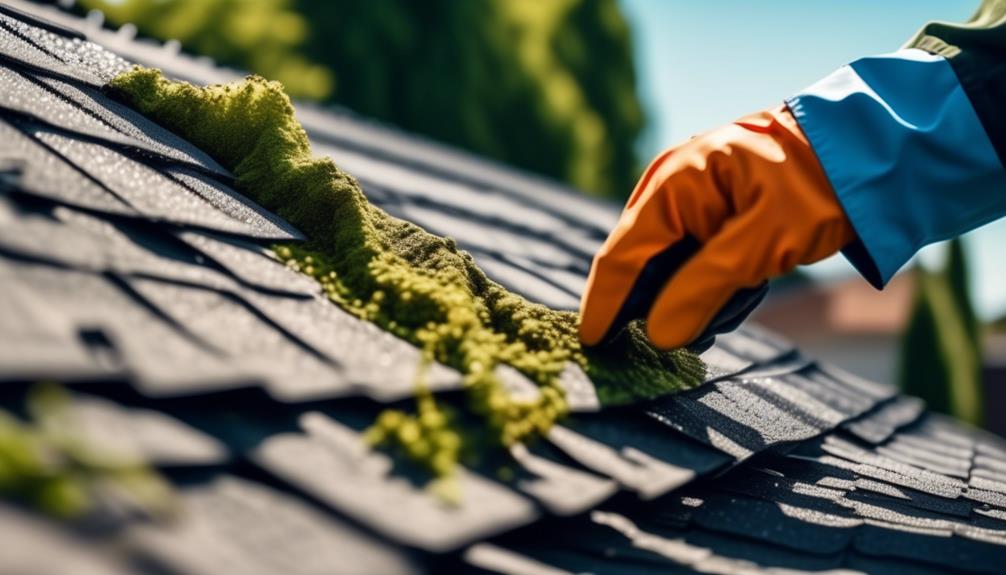
Assessing the severity of your roof’s condition involves a thorough inspection. Look for missing, cracked, or curling shingles, as well as granules collecting in gutters. These are telltale signs of wear and tear. Furthermore, a roofing professional can provide an expert evaluation, helping you understand whether your roof requires replacement or if waterproofing will be adequate.
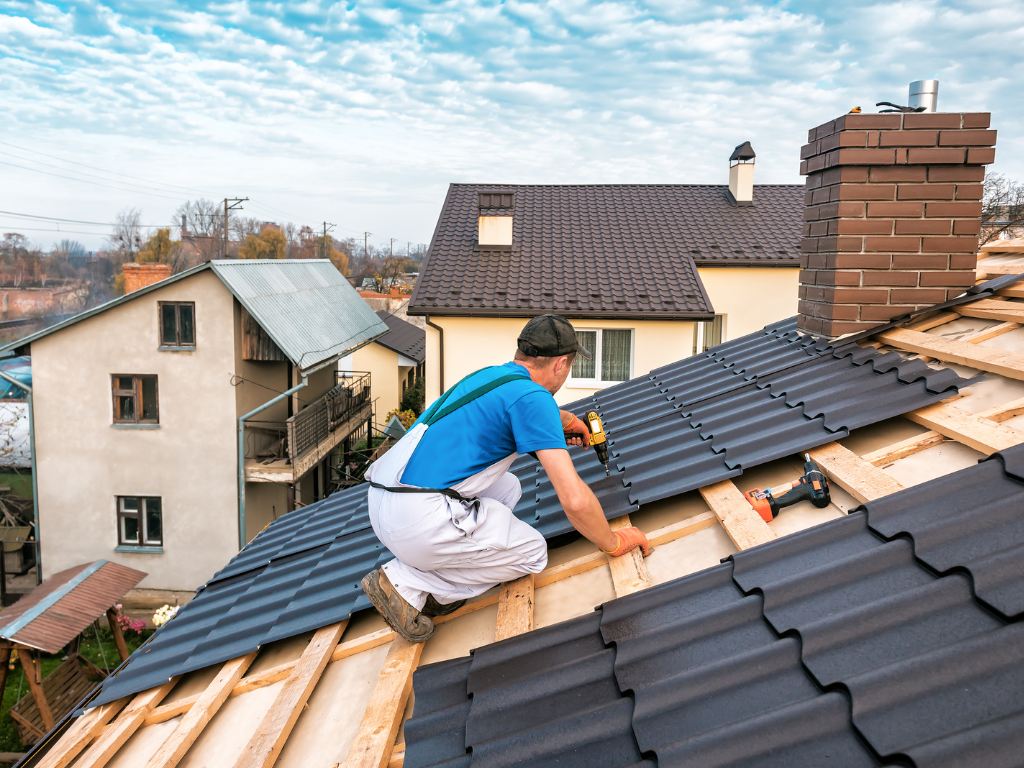
The long-term advantages of investing in a new roof include improved energy efficiency, enhanced aesthetic appeal, and increased property value. Roof replacement is a significant undertaking, involving removing the old material, assessing the underlying structure, and installing new roofing. Homeowners can expect a detailed process that ensures longevity and performance. Ultimately, a comprehensive evaluation will guide your decision, ensuring your home remains protected and secure.
Making the Right Decision: Waterproof or Replace?
When faced with the dilemma of whether to waterproof or replace your roof, it is essential to consider various factors that can significantly affect your decision. Both options come with distinct advantages and disadvantages that can help you determine the best course of action based on your specific circumstances.
The first element to weigh is the cost. Waterproofing tends to be less expensive than a full roof replacement, allowing homeowners to save money while extending the life of their existing roof. However, this approach might only serve as a temporary solution if significant structural issues exist. On the other hand, replacing a roof may incur a higher initial cost but offers a long-term investment that can enhance your property’s value and curb appeal. Additionally, a new roof typically benefits from modern technologies and materials, producing better energy efficiency and longevity.
Next, consider the expected lifespan of both options. Waterproofing can prolong the roof’s life for several years, particularly if the underlying structure is sound. However, it will not resolve underlying issues, which may necessitate future expenditures. In contrast, a complete roof replacement can involve a longer lifespan, often exceeding 20 years, depending on the materials used and installation quality.
Performance is another critical aspect. A waterproofing membrane may effectively prevent water infiltration, but it might not provide the same protection as a new roofing system in severe weather conditions. To illustrate these points, case studies from Silverhill Roofing clients have highlighted situations where waterproofing successfully alleviated leaks in older roofs, while others opted for complete replacement after discovering significant damage. Testimonials reflect customer satisfaction through both routes, showcasing that, ultimately, the right choice will depend on individual needs and circumstances.