
If your roof is leaking, curling, or showing its age, you’re probably asking the same question thousands of Canadian homeowners are asking right now: Should I repair it or replace it?
With 2026 bringing higher material prices, more extreme weather, and new energy-efficiency expectations, the wrong choice can cost you thousands extra over the next decade. This guide breaks it down clearly — with real 2026 Canadian numbers — so you can make the smartest decision for your home and wallet.
Why the Decision Matters More in 2026
Canadian roofs face harsher conditions than ever: heavier winter snow loads in the Prairies, intense wind and hail in Alberta and Ontario, and wetter winters on the West Coast. At the same time, energy costs are rising and buyers want homes with lower carbon footprints.
A well-timed repair can buy you 5–10 extra years. A full replacement with today’s better materials can last 40+ years and slash your heating bills. The key is knowing exactly where your roof stands.
7 Clear Signs Your Roof Needs Attention Right Now
Look for these red flags during your next spring or fall check (or after a big storm):
- Missing, curling, or cracked shingles — especially on the south-facing side.
- Granules in your gutters (those tiny black bits mean your shingles are wearing out fast).
- Water stains on ceilings or walls — even small ones.
- Sagging roofline — a structural warning sign.
- Ice dams along the eaves (very common in Ontario and Quebec).
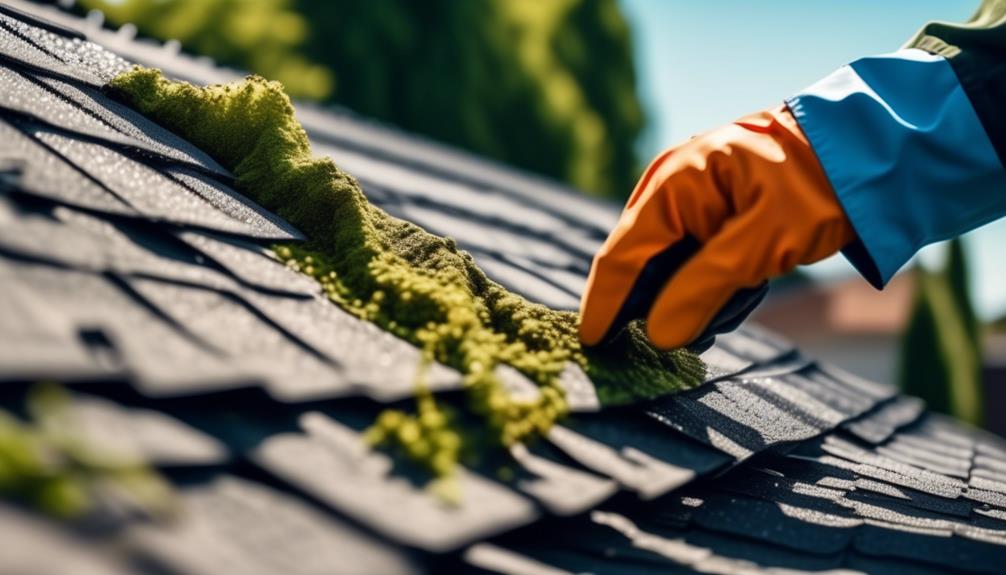
- Moss or algae growth (holds moisture and speeds up damage).
- Age — if your asphalt roof is 20+ years old, it’s living on borrowed time.
If you see 2 or more of these, book a professional inspection before the next big storm hits.
Roof Repair: Pros, Cons & When It Makes Sense
Pros
- Much lower upfront cost (usually $500–$4,000).
- Quick — often done in 1–2 days.
- Extends roof life 5–10 years if damage is isolated.
- Perfect for minor issues like a few missing shingles, small leaks, or flashing repairs.
Cons
- Doesn’t fix underlying problems (old underlayment, poor ventilation).
- You may need multiple repairs over the years.
- Harder to get full insurance coverage on future claims.
2026 Repair Cost Examples (Canada)
- Patch 5–10 shingles: $500–$1,200
- Fix ice dam damage + new eavestroughs: $1,800–$3,500
- Major leak repair (multiple layers): $3,000–$5,000
Repair is usually the right call if: Your roof is under 15–18 years old, damage is limited to one area, and the rest of the roof is still in good shape.
Roof Replacement: Pros, Cons & When It’s the Better Investment
Pros
- New roof comes with 25–50 year warranties (depending on material).
- Modern shingles and metal roofs resist hail, wind, and UV better.
- Huge energy savings — especially with lighter “cool roof” colours or better ventilation.
- Boosts home resale value (buyers love a new roof).
- Often fully covered by insurance after major storms.
Cons
- Higher upfront cost.
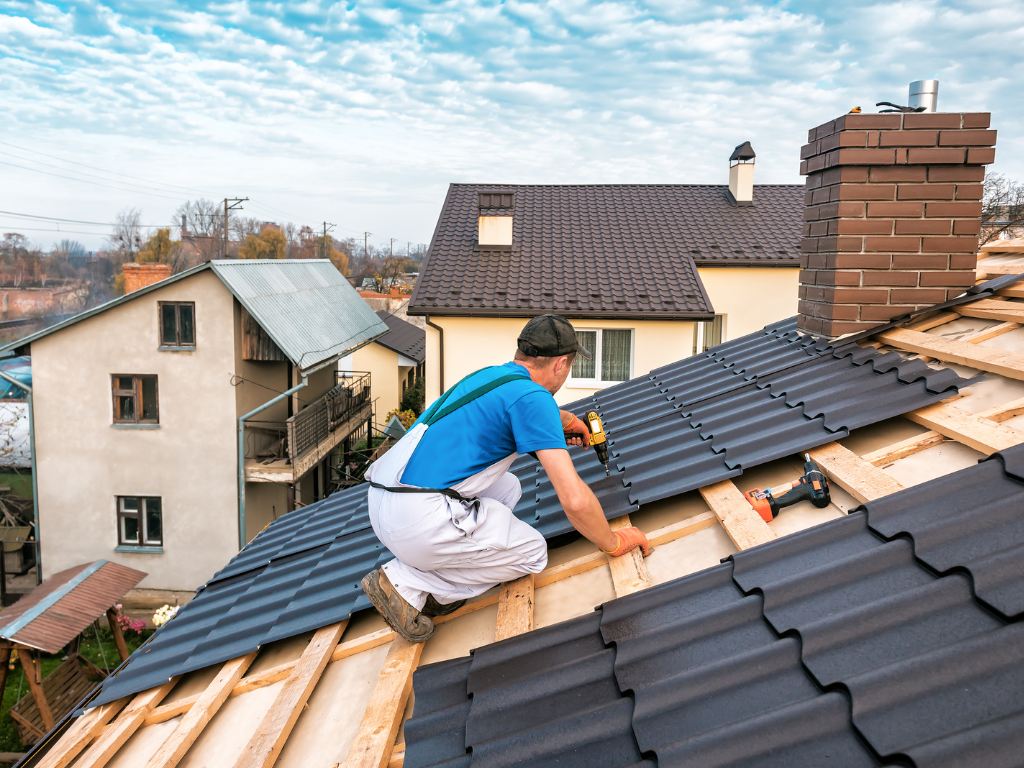
- Takes 3–7 days and involves more disruption.
2026 Replacement Cost Examples (Canada)
- Standard asphalt shingle roof (1,200–1,800 sq ft bungalow): $7,000 – $15,000
- Larger two-storey home: $12,000 – $22,000
- Metal roof upgrade: $18,000 – $35,000 (but lasts 2–3× longer)
- Flat or low-slope roof (EPDM/TPO): $13,000+
Prices vary by province — expect 10–20% higher in Toronto, Vancouver, and Calgary due to labour and disposal fees.
Replacement is usually the smarter move if:
- Your roof is 20+ years old
- Damage covers more than 20–30% of the surface
- You plan to stay in the home 7+ years
- Insurance is paying most of it after hail/wind damage
5 Key Factors to Decide in Canada in 2026
- Roof Age & Material — Asphalt shingles last 15–25 years. Metal can hit 40–70.
- Extent of Damage — Rule of thumb: if more than one-third of the roof needs work, replace it.
- Your Local Climate — Prairie homeowners dealing with hail often choose impact-resistant shingles or metal. Coastal BC homes benefit from better ventilation to fight moss.
- Energy Efficiency & Rebates — The national Canada Greener Homes Grant is closed, but many provinces still offer incentives through CleanBC (BC), Rénoclimat (Quebec), or local eco-roof programs. Upgrading insulation and ventilation at the same time can qualify for extra savings — plus lower monthly hydro bills.
- Insurance & Resale — Many insurers now prefer homes with roofs under 10–15 years old. A new roof can pay for itself when you sell.
Repair vs Replacement Cost Comparison (2026 Canada)
| Scenario | Typical Repair Cost | Typical Replacement Cost | Best Choice for Most Homes |
|---|---|---|---|
| Minor leak / few shingles | $500 – $2,000 | $10,000 – $18,000 | Repair |
| 20-year-old roof + ice dams | $2,500 – $5,000 | $12,000 – $20,000 | Replacement |
| Hail damage claim | $3,000 – $6,000 | $8,000 – $15,000 (after deductible) | Replacement (insurance often pays) |
| Metal roof upgrade | Not practical | $20,000 – $35,000 | Replacement (if staying long-term) |
2026 Roofing Trends Canadian Homeowners Should Know
- Metal roofing prices are softening — making the long-term upgrade more affordable.
- Cool-roof and impact-resistant shingles are standard now for better hail and heat protection.
- Sustainability matters — recycled-content products and better attic ventilation reduce your carbon footprint.
- Full tear-off is still required in most provinces for insurance and warranty reasons.