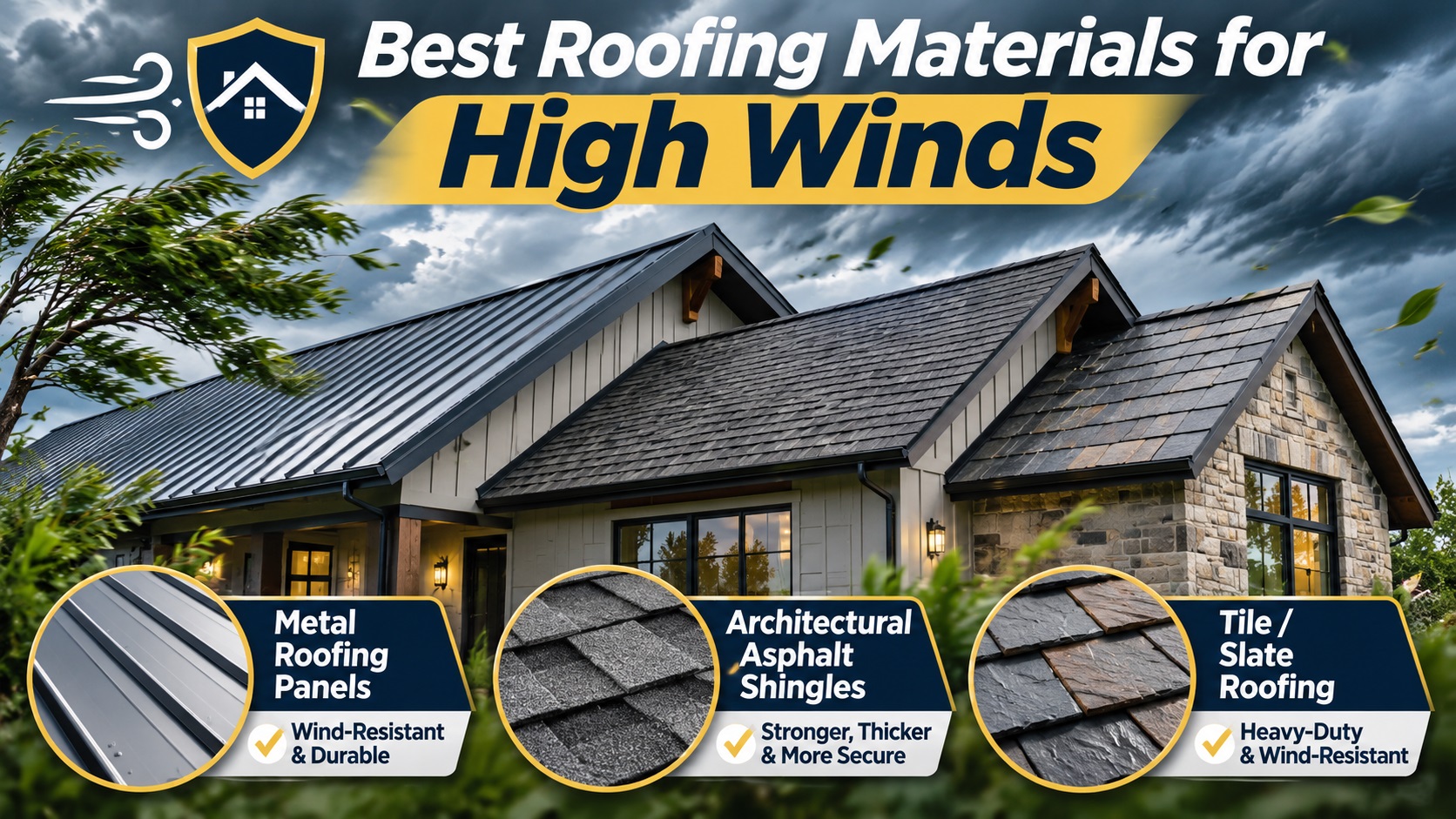

Strong wind can lift shingles, damage flashing, and cause leaks inside the home. That’s why choosing the best roofing material is important for people living in Toronto, Richmond Hill, and Ontario. A roof is never 100% windproof, but the correct material, proper installation, and proper care can create very nice roof wind uplift resistance and reduce wind damage to roofs.
Asphalt Shingles
People choose asphalt shingles because they are affordable and available in many styles. For areas which are windy, people should choose high-wind-rated shingles. These shingles are designed with stronger sealing strips to stop heavy winds from damaging the roof.
People choose asphalt shingles because it has lower upfront cost and they are easy to repair after a storm. However, they can lift away, tear, or lose granules when the wind is strong. These problems can occur, especially if they are old, improperly sealed, or not installed properly.
Asphalt shingles can be a good choice for wind-resistant roofing in Ontario. Good quality of underlayment, proper flashing, proper installation, and proper care of roof edges can make it work nicely.
Metal Roofing
Standing seam metal roofing is a strong option because its panels interlock and has strong roof structure. Metal can resist strong winds very nicely if the panels, clips, screws, and edges are installed correctly.
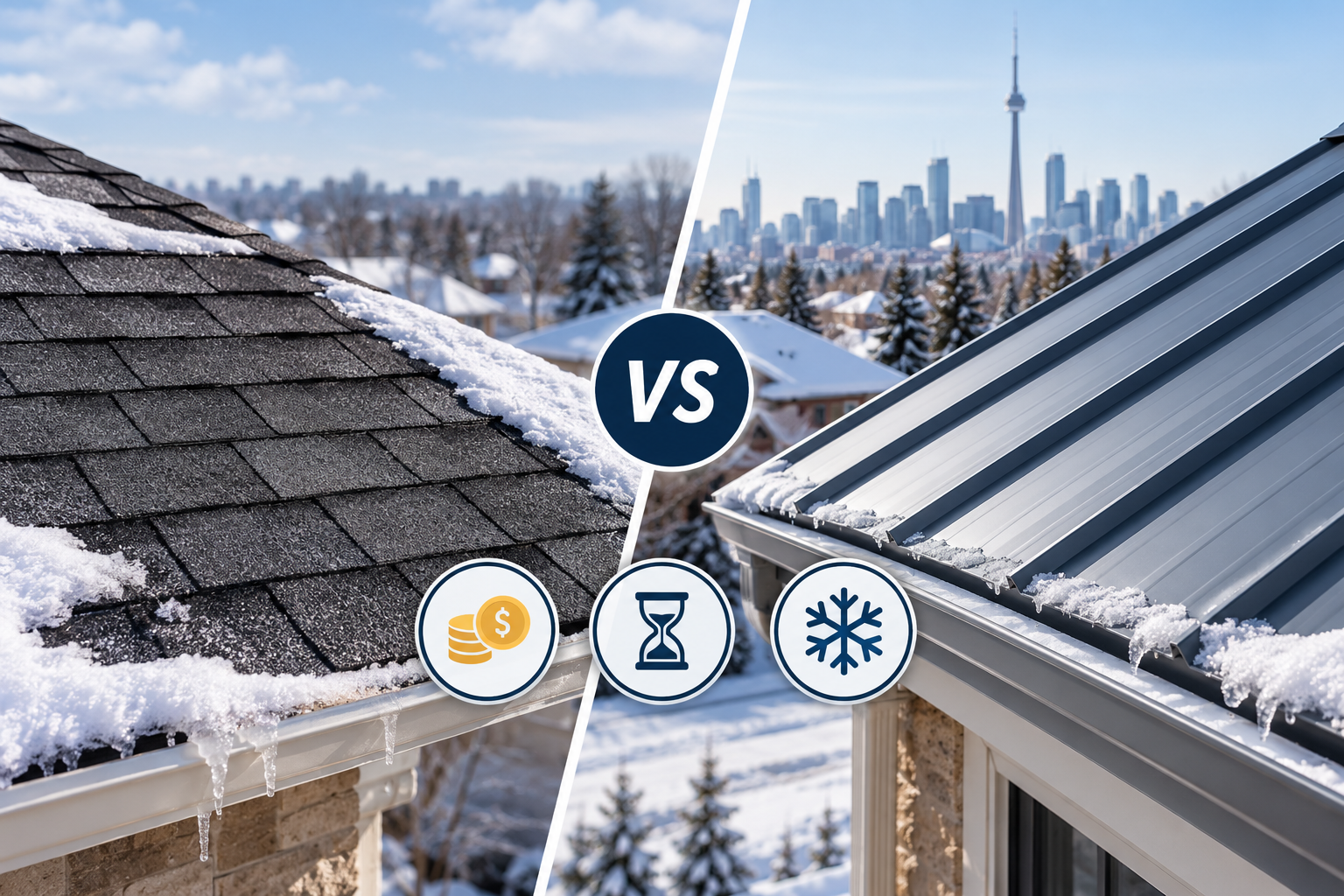
Metal roofing also sheds water and snow better and it can last a long time if basic maintenance is done. If we look for Asphalt shingles vs metal roofing in high winds, metal roofing is more expensive at the start than asphalt shingles. It can also cause loud noises during rain or hail, but correct underlayment and insulation can reduce the noises.
There are other metal styles as well such as exposed fastener panels, it may cost less but need very careful installation. Loose fasteners can create problems during heavy and strong winds.
Slate and Tile
Slate and tile are heavier than shingles or metal. They are beautiful and durable but they may suit certain homes only, the roof structure of a house should be able to carry the extra weight. When the winds are strong, tiles and slate pieces can break if they are not secured and maintained properly.
These materials cost more as compared to metal and asphalt shingles and need experienced installers. They can be a choice in long term for certain homes, but they are not the best option for every property.
What Makes a Roof Wind Resistant
Important factors include:
- More complex roofs can face high wind pressure.
- Shingles, panels, and tiles should be fixed using the correct nails, screws, and clips.
- Edges often experience higher wind pressure even when installed perfectly.
- Proper flashing around chimneys, vents, valleys, and walls helps in preventing leaks.
- A proper underlayment helps in protection if the outer roofing material is damaged.
- If installed incorrectly, a best product can also fail.
Roofing wind resistance ratings means testing how the roof performed under testing, but the result only applies when the roof is installed correctly as the manufacturer demands.
Signs of Wind Damage
After a wind storm, always check if there are any missing or cracked shingles, always check from the ground. Check if there is debris in gutters, damaged flashing, loose metal panels, or granules in the downsprouts. Water stains on ceilings or walls can strongly indicate towradss a roof leak.
Always arrange a professional inspection and do not walk on the roof by yourself, especially if you have doubt about leaks or damage.
Homeowner Checklist
Before choosing a roof or contractor, consider these points:
- Always ask for wind-resistant roofing materials.
- Confirm that the exact installation method is being used which was used in product’s wind rating testing.
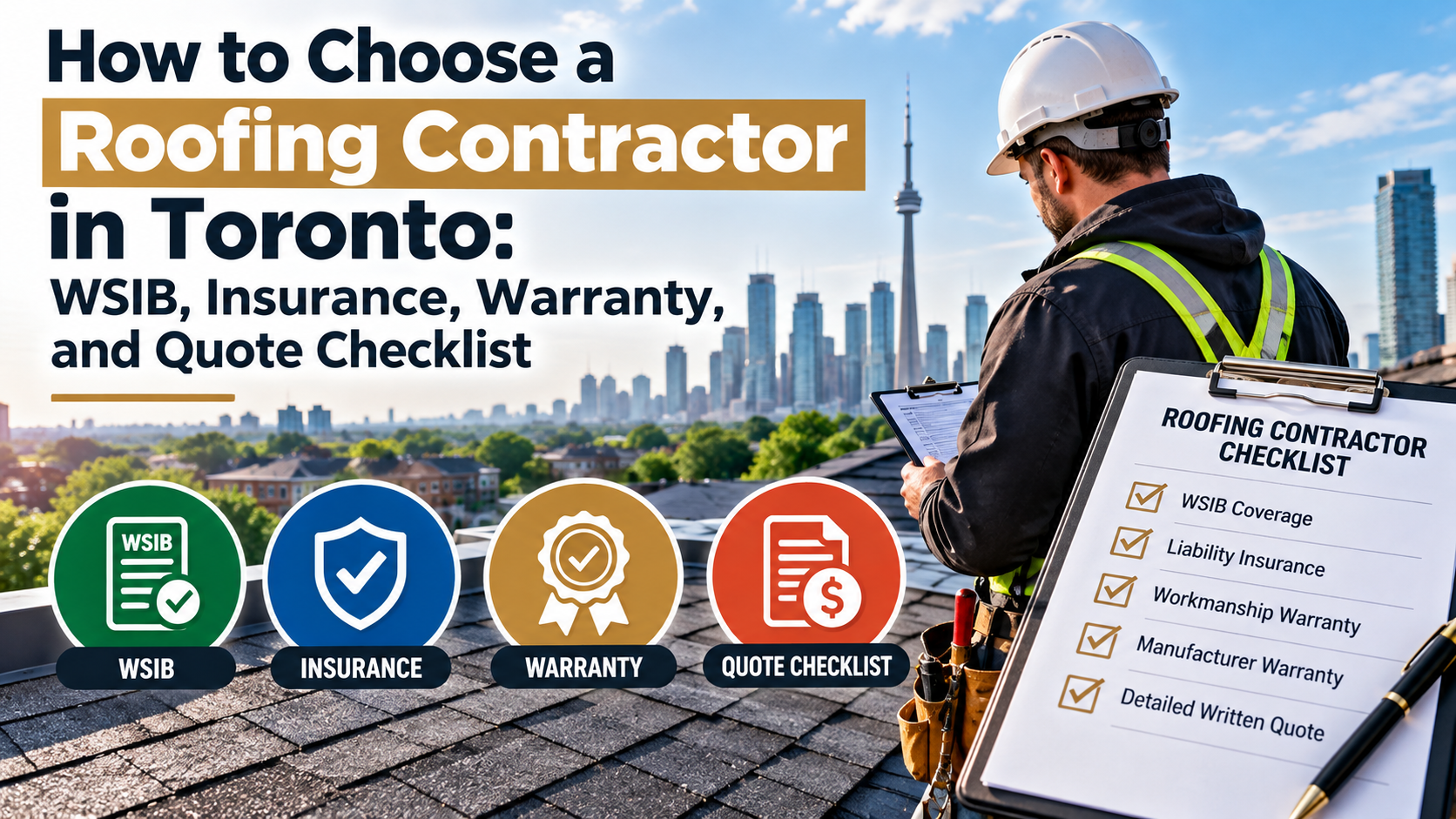
- Ask for the details of workmanship warranty and manufacturer warranty.
- Always choose a contractor who explains the work clearly and provides written details.
- Always make inspections after major storms and before winter.
Choosing the Right Roof
Asphalt shingles are for homeowners who want a practical and budget friendly option. People choose metal roofing for durability and long term. Slate or tile is for certain homes where weight, style, and budget is suitable. Everyone has different choices and no roof can work best for all the homes.
SilverHill Roofing & Contracting provides roof inspections, repairs, replacements, and damage support in Toronto, Richmond Hill, and the Greater Toronto Area. Their team can help you in reviewing roofing options and choose proper installation.