
Understanding the Importance of Regular Roof Inspections
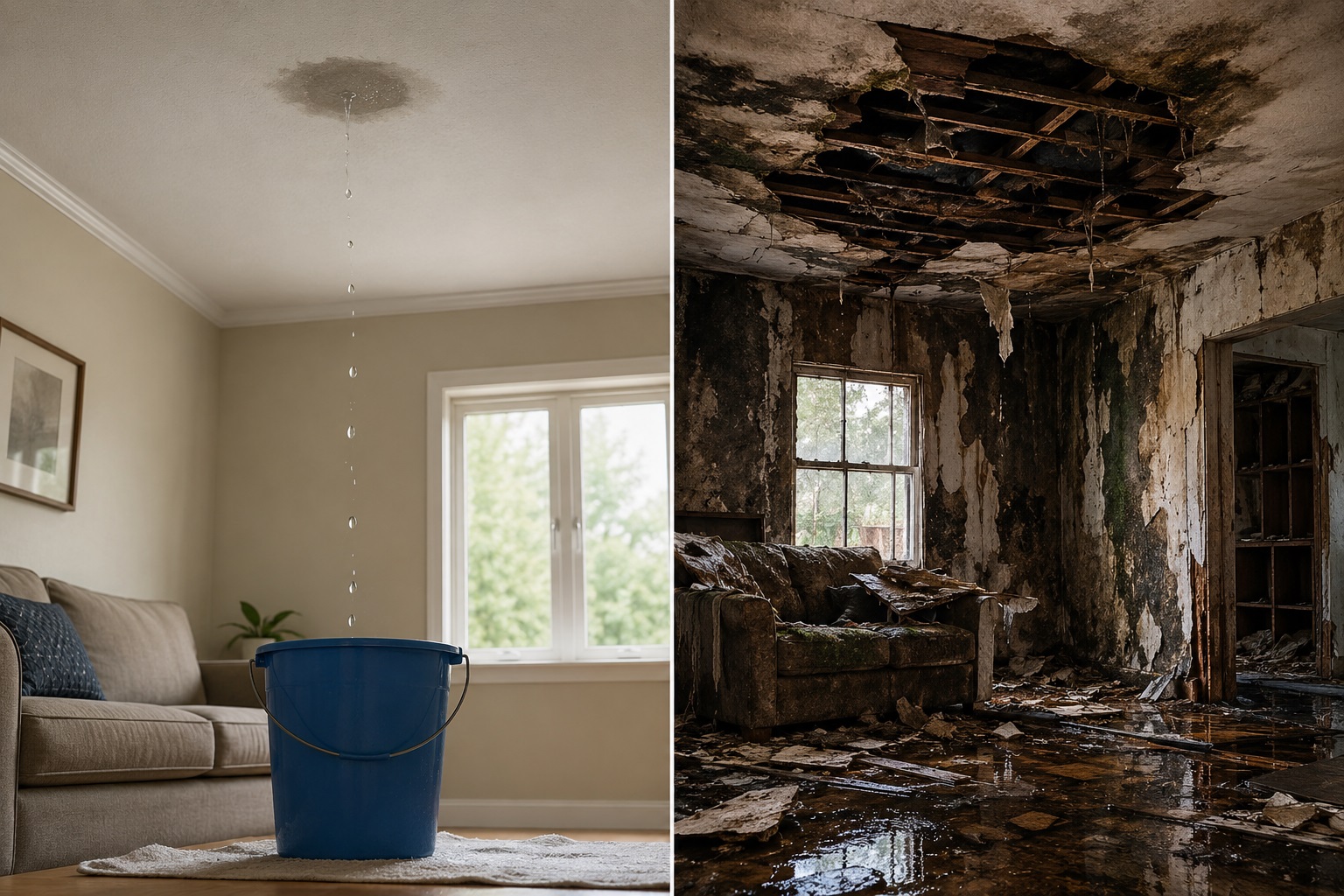
Regular roof inspections play a crucial role in the overall maintenance of a property. These assessments are not merely a formality but rather a proactive approach to identify and address potential issues before they escalate. One of the primary benefits of routine roof inspections is the prevention of leaks, which can lead to water damage, mold growth, and a compromised living environment. By detecting minor issues early, property owners can avoid the high costs associated with major repairs resulting from neglect.
In addition to preventing leaks, regular inspections help to ensure the structural integrity of the roof. Any missing shingles, rusted flashing, or damaged tiles can compromise the safety of a property. Roof failures can result in significant structural damage, leading to costly repairs and potential safety hazards for residents. Thus, scheduling periodic assessments allows property owners to maintain a safe living environment while also managing repair costs effectively.
Moreover, consistent roof inspections can significantly prolong the lifespan of the roofing system. Roofs are exposed to various environmental factors such as UV rays, rain, and snow, each contributing to natural wear and tear. Through regular evaluations, property owners can implement timely maintenance measures that not only extend the durability of their roofs but also enhance the aesthetic appeal of their properties. A well-maintained roof contributes positively to the overall value of a home, which is particularly important for those considering future sales or renovations.
In summary, understanding the importance of regular roof inspections is vital for property maintenance. These inspections guard against severe weather damage, promote safety, and help maintain the property’s aesthetic and value. By prioritizing regular assessments, property owners can effectively safeguard their investments and avoid unexpected repair costs down the line.
When to Schedule a Roof Inspection
Scheduling a roof inspection is crucial for maintaining the integrity of your property. There are several key moments when it is especially important to conduct these evaluations. One notable time to consider is after severe weather events. Heavy rain, strong winds, or hail can cause significant damage to roofs that may not be immediately visible. In these situations, a qualified inspector can identify any potential threats to your roof’s structural integrity.
Another critical period for roof inspections is following the changing of seasons. Each season poses unique challenges that can impact the condition of a roof. For instance, winter can lead to ice dam formation which might result in leaks or other damage, while summer heat can cause materials to degrade faster. Scheduling an inspection at the beginning of fall or spring allows homeowners to address any seasonal wear and tear proactively.
Additionally, the age of the roof is a significant factor in determining inspection frequency. An aging roof, typically over 15 years old, should be inspected more frequently to ensure there are no emerging issues that could lead to further complications. Identifying problems early can prevent larger, costlier repairs down the line, making regular inspections an economically sound choice.
Being proactive in scheduling these inspections not only keeps your roof in good condition but also gives property owners peace of mind. By understanding the right moments to inspect your roof, from post-weather events to seasonal changes and age-related conditions, you can help extend its lifespan and maintain the value of your home.
Key Areas to Inspect on Your Roof
Performing a thorough roof inspection is vital for property maintenance, as roofs are subject to wear and tear caused by various environmental factors. One critical area to examine is the shingles. Check for missing, broken, or curling shingles, as any signs of damage can lead to leaks and further degradation of the underlying structure. If left unaddressed, these issues can exacerbate existing problems and require costly repairs.
Another essential element to inspect is the gutters and downspouts. It is important to ensure they are free from blockages caused by debris such as leaves, dirt, and moss. Clogged gutters can cause water to overflow, leading to potential damage to your roof and even the foundation of your property. Regular cleaning and maintenance of these systems help promote proper drainage and extend the lifespan of the entire roofing system.
The flashing around vents and chimneys should also be thoroughly examined. This metal material serves a critical role in keeping water from seeping into your property. Look for cracks, rust, or any signs of wear, as compromised flashing can lead to significant leaks. Repairing or replacing damaged flashing is essential for preventing water ingress that can result in mold or structural damage indoors.
Finally, assess the overall structural integrity of your roof. Look for sagging areas or unevenness, which may indicate underlying issues such as rotting wood or compromised support beams. These structural problems need immediate attention, as they can jeopardize the safety of your property. Regular inspection of these key areas enables property owners to identify problems early on, facilitating timely repairs and maintenance that can save money in the long run.
The Benefits of Hiring Professionals vs. DIY Inspections
When it comes to roof inspections, property owners often face the dilemma of whether to hire professionals or undertake the task themselves. Each option has its own set of advantages and drawbacks. Professional roofing services, such as Silverhill Roofing, bring a level of expertise that is often unmatched by DIY efforts. These trained professionals possess an intricate understanding of roofing systems, allowing them to identify potential issues that an untrained eye may overlook. Their experience enables them to assess a roof’s condition accurately, ensuring that all aspects of the roof are thoroughly evaluated.
One of the significant benefits of hiring professionals is safety. Climbing onto a roof poses inherent risks, including falls or injuries from unstable surfaces. Professional roofers are equipped with the necessary safety gear and training to perform inspections without compromising their wellbeing. In contrast, conducting a DIY inspection increases the likelihood of accidents, particularly for those who are not familiar with climbing and working at heights.
Additionally, professionals have access to specialized tools and technology that can enhance the inspection process. These tools, such as infrared cameras and drones, allow for a more comprehensive evaluation of the roof’s condition. This advanced equipment can detect issues like leaks and insulation problems that may not be visible to the naked eye. For homeowners who are not equipped with such tools, relying on professional services is often the wiser choice for thorough inspections.
However, there are instances where homeowners can successfully conduct visual inspections, especially when checking for obvious signs of damage or wear. Understanding one’s limits is crucial; smaller tasks, such as cleaning gutters or inspecting for visible debris, may be effectively managed through DIY efforts. Ultimately, balancing personal assessment of the roof with the expertise of professionals can lead to more informed decisions about roof maintenance, ensuring that properties remain well-maintained and secure.