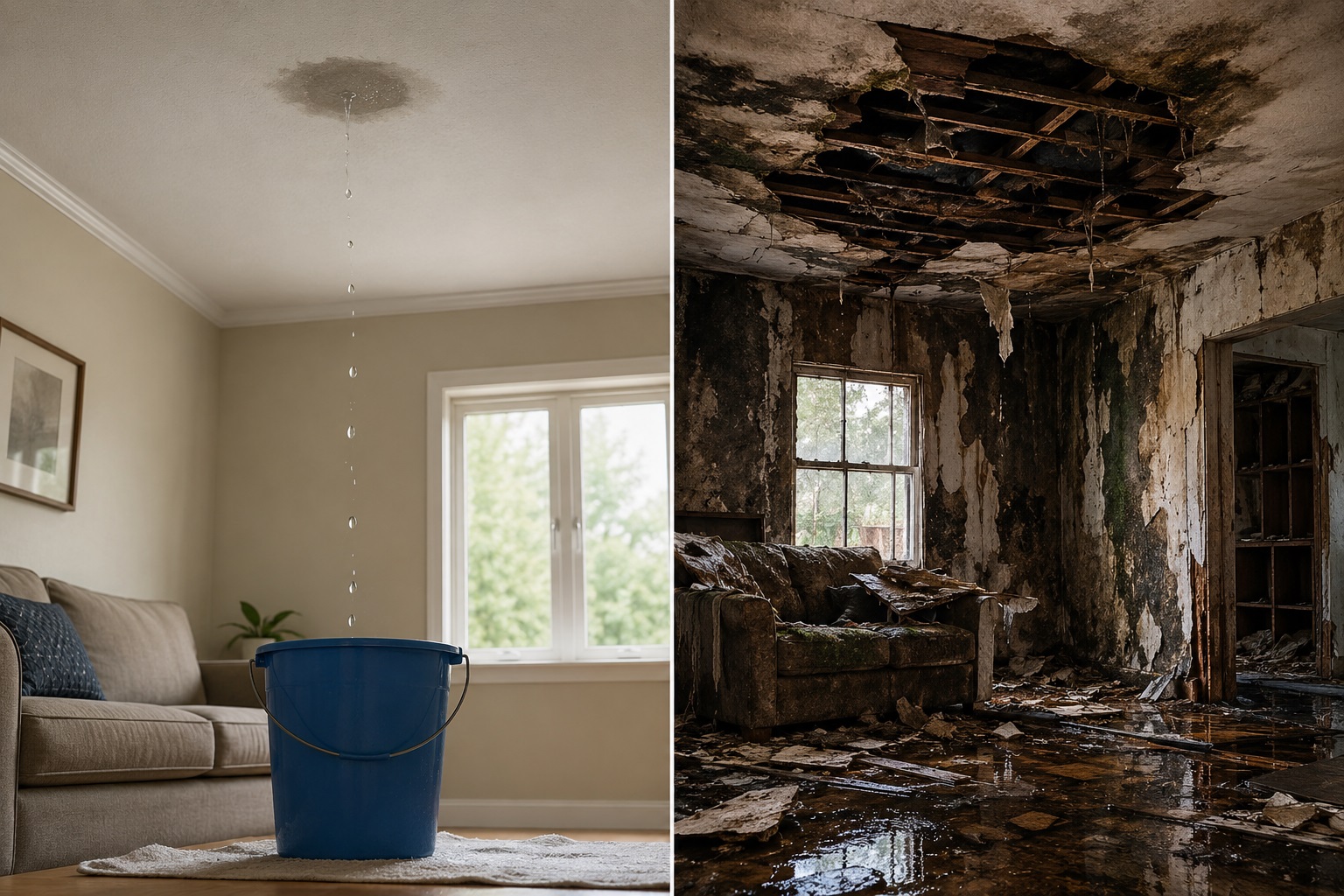

Flat roofs are common on modern homes, extensions, garages, and commercial-style residential properties across Canada. While they offer clean lines and extra usable space, they can be prone to pooling water, leaks, and faster wear in our harsh winters and freeze-thaw cycles. If your flat roof is showing signs of trouble—blisters, cracks, ponding water, or interior leaks—it’s time to consider an upgrade.
Upgrading (or fully replacing) your flat roof can dramatically improve energy efficiency, prevent costly water damage, and add decades of protection. At Silverhill Roofing & Contracting, we specialize in flat roofing solutions tailored to Canadian climates. In this guide, we’ll share expert tips to help you upgrade smartly, choose the right materials, and keep costs manageable.
Why Upgrade Your Flat Roof? Key Benefits in 2026
A well-executed upgrade isn’t just repair—it’s an investment:
- Better waterproofing — Modern membranes handle snow load, ice damming, and heavy rain far better than older tar/gravel or basic BUR systems.
- Energy savings — Reflective “cool roof” options like white TPO or PVC can cut cooling costs in summer and improve overall insulation.
- Longer lifespan — Upgraded materials often last 20–40+ years with proper maintenance.
- Increased home value — A reliable flat roof reassures buyers and can prevent insurance issues.
- Eco-friendly options — Some upgrades qualify for energy rebates or allow green roof additions.
Ignoring problems leads to rot, mould, and expensive interior repairs—upgrade proactively.
Step 1: Assess Your Current Flat Roof’s Condition
Before spending, diagnose accurately:
- Schedule a professional inspection (often free from experts like Silverhill Roofing & Contracting).
- Look for red flags: Standing water >48 hours, cracked seams, bubbling membranes, granule loss, sagging decking, or interior stains.
- Check age: Most flat roofs last 10–30 years, depending on material—EPDM/TPO often hit 20–35 years; older BUR or mod-bit may need full replacement.
- Consider drainage: Poor slope or clogged drains cause 90% of flat roof failures in Canada.
Tip: Thermal imaging during inspection reveals hidden moisture without invasive probing.
Step 2: Understand Realistic Costs for Flat Roof Upgrades in Canada 2026
Flat roof projects cost more per square foot than sloped roofs due to specialized labor and materials. Current averages (based on 2026 Canadian data):
- Replacement/upgrade costs: $10,000–$30,000+ CAD for a typical 1,000–1,500 sq ft residential flat roof.
- Per square foot installed: $9–$18+ CAD, depending on material and complexity.
- EPDM or TPO: $9–$15/sq ft (most popular, affordable, durable options).
- Modified bitumen or elastomeric: $12–$20/sq ft.
- PVC: $12–$18/sq ft for premium durability.
- Full tear-off + deck repairs add $2–$5/sq ft extra.
Factors pushing costs higher: Multiple layers to remove, structural fixes, urban labour rates (e.g., GTA vs. other provinces), and winter scheduling premiums.
Pro savings tips:
• Schedule spring/fall for better rates.
• Check insurance for storm/hail coverage.
• Bundle with insulation or ventilation upgrades for rebates.
Silverhill Roofing & Contracting offers transparent, itemized quotes with flexible financing to fit your budget.
Step 3: Choose the Best Flat Roof Materials for Canadian Weather
Select materials that handle extreme cold, UV, and moisture:
- TPO (Thermoplastic Polyolefin) — Affordable, energy-efficient (white reflective), 20–30+ years lifespan. Great for most Canadian homes.
- EPDM (Rubber) — Extremely durable and flexible in freeze-thaw, 25–50 years with good warranties. Budget-friendly classic choice.
- PVC — Top-tier puncture/chemical resistance, 20–40+ years. Ideal if your roof sees foot traffic or harsh exposure.
- Modified Bitumen (Torch-Down or Self-Adhered) — Reliable multi-layer protection, good for variable temperatures, 15–30 years.
- Avoid outdated gravel/tar (BUR) unless restoring—modern single-ply membranes outperform in longevity and ease.
We recommend TPO or EPDM for the best balance of cost, performance, and Canadian climate resilience at Silverhill.
Step 4: Expert Installation Tips for a Long-Lasting Upgrade
Quality installation matters more than material alone:
- Full tear-off — Remove old layers to inspect/repair decking (essential in Canada to catch rot early).
- Proper slope/drainage — Add crickets or tapered insulation if needed to prevent ponding.
- Insulation & ventilation — Upgrade to rigid foam or add vents for better energy efficiency and moisture control.
- Seams & flashings — Heat-welded or mechanically fastened seams; robust edge flashing and parapet details.
- Code compliance — Ensure ice & water protection, wind uplift resistance, and proper permits.
Choose experienced flat roof specialists—flat roofing requires different skills than shingle work.
Step 5: Maintenance Tips to Maximize Your Upgrade
Post-upgrade care keeps it performing:
- Inspect twice yearly (spring/fall) for debris, cracks, or ponding.
- Clear drains and scuppers regularly—clogs cause most issues.
- Trim nearby trees to reduce leaf buildup.
- Schedule professional cleanings and minor resealing every 5–7 years.
- Monitor for early signs: Address blisters or punctures immediately.
With good care, your upgraded flat roof can last 30+ years.
Ready to Upgrade Your Flat Roof? Contact Silverhill Roofing & Contracting Today
Don’t let a failing flat roof lead to bigger problems. A smart upgrade protects your home, saves energy, and gives peace of mind in Canada’s tough weather.
Silverhill Roofing & Contracting delivers expert flat roof installations and replacements with quality materials, honest pricing, and standout service.
Contact us now for a free flat roof inspection and personalized quote. Let’s upgrade your roof the right way—durable, efficient, and built to last.
Your property deserves reliable protection—make the upgrade today.